Introduction
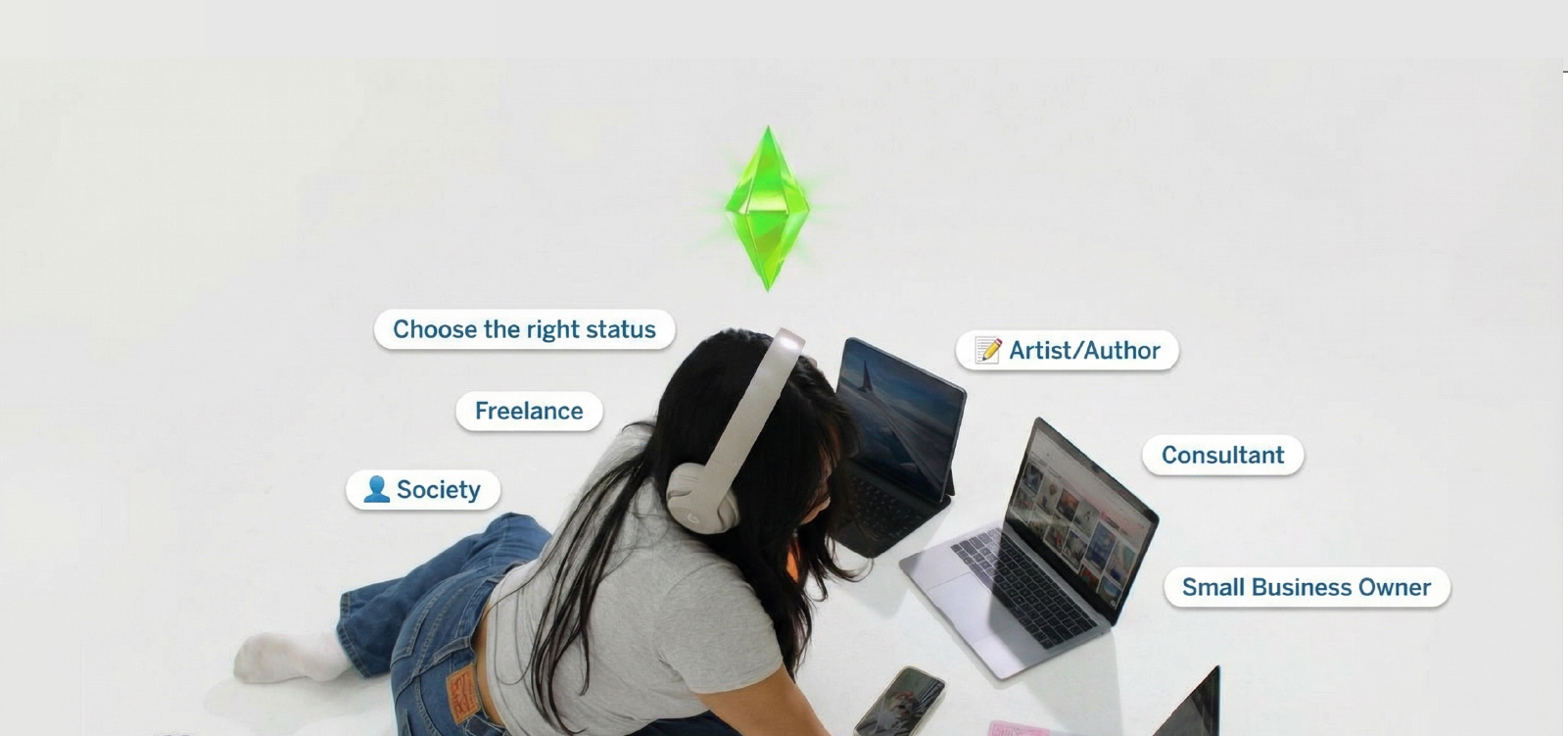
Before launching a brand, selling work, freelancing, or building a website, choosing the right legal status determines how you invoice, pay taxes, protect your work, and grow your activity.
This guide is tailored for artists, fashion students, designers, and creative entrepreneurs working in France.
Start by Defining Your Activity
Your status depends on what you actually do.
Selling products
Selling services
Creating & exhibiting art
Running a collective or cultural project
→ See: Understanding the Legal Side of Branding
→ See: The Legal Side of Your Website
Main Legal Status Options in France
Micro-entrepreneur (Auto-entrepreneur)
Best for starting solo with minimal risk.
Typical uses
Advantages
Limits
Register via URSSAF
More info: service-public.fr
Artist-Author Status
Best for creators earning income from original artistic works.
Eligible income
Advantages
Limits
Managed by URSSAF Limousin
Guidance: La Maison des Artistes
→ See: future article Artists, Copyright & Royalties
Entreprise Individuelle (EI)
A sole proprietorship allowing more flexibility than micro-entrepreneur.
Advantages
Limits
EURL / SARL (Limited Liability Company)
Suitable for small fashion brands or partnerships.
Advantages
Limits
SASU / SAS
Recommended for scalable brands and investors.
Advantages
Limits
→ See future article: Scaling Your Brand Legally
Association (Non-profit)
Used for cultural projects and exhibitions.
Advantages
Limits
Special Models in Fashion & Creative Industries
White Label / Private Label
Selling products manufactured by a third party under your brand name.
Requires clear manufacturing and branding contracts.
Licensing
Allowing another company to use your brand or designs.
→ See: Understanding the Legal Side of Branding
Creative Collectives
Shared legal structures for exhibitions or shared studios.
Taxation & Social Contributions
Micro-entrepreneur
Artist-author
Companies (Sociétés)
Official tax guidance: Service-Public.fr
→ See future article: Taxes & Accounting for Creatives
Can Students Have a Legal Status?
Yes.
Students in France can:
Check compatibility with:
Social Protection & Coverage
Your status affects:
Independent workers rely on the self-employed social system.
Funding & Support for Creatives
Business & entrepreneurship support
Intellectual property & brand protection
Cultural & artistic funding
Who Can Help You Choose?
Free support
Professionals
How to Choose
Step 1 — Define your activity
Art, fashion, services, or sales.
Step 2 — Estimate revenue & growth
Side income or scalable brand?
Step 3 — Evaluate liability & protection
Do you need to protect personal assets?
Step 4 — Consider administration & taxes
Do you want simplicity or scalability?
Step 5 — Plan long-term evolution
Choose a structure that can grow with you